Abigail Foster on Whether the System Is Designed to Keep You Poor
Abigail Foster argues that financial ignorance isn’t accidental it’s structurally convenient, and fixing it starts with individual agency.
Abigail Foster argues that financial ignorance isn’t accidental it’s structurally convenient, and fixing it starts with individual agency.
Dr. John DeMartini argues that learning speed isn’t about discipline or intelligence it’s about whether information aligns with your deepest values.
Bryan Johnson argues that longevity is no longer a lifestyle choice but a data problem and that humanity may be entering its first “don’t die” era.

Gary Vaynerchuk argues that entrepreneurship isn’t freedom or status it’s repeated public loss that only emotionally regulated founders can survive.
Dr. K argues that internet hate isn’t just a social problem it’s a psychological one amplified by algorithms, ego, and the human need for validation.

Humphrey Yang frames investing as a long‑term system: broad index funds, tax‑advantaged accounts, and patience outperform fear, cash, and stock picking.

Three entrepreneurs converge on the same verdict: anyone can start a business, but only those who endure pain, price correctly, and apply leverage survive long enough to scale.
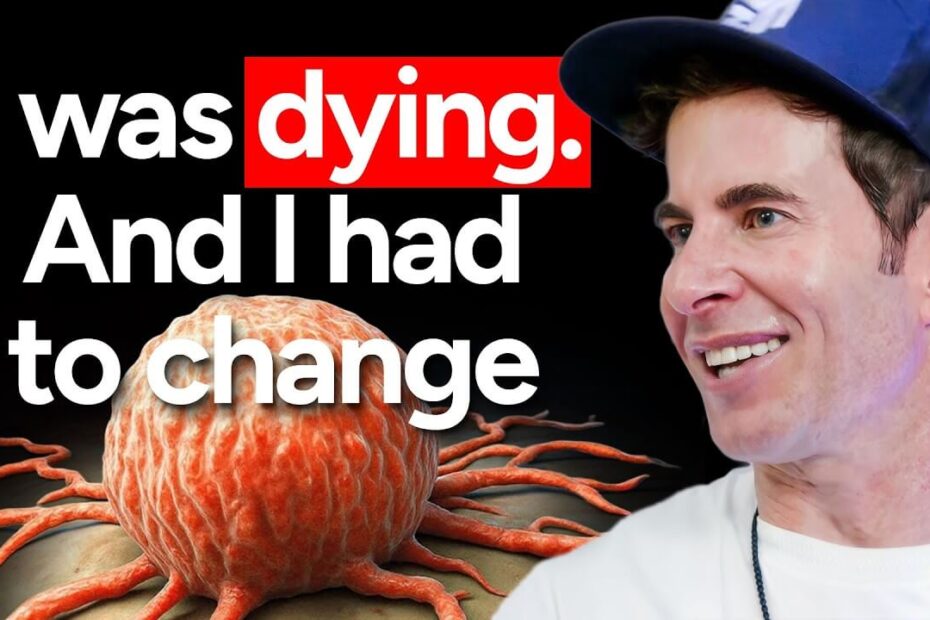
Tarek El Moussa frames cancer recovery and long-term fitness not as motivation or inspiration, but as discipline executed daily under physical and psychological strain.

Andy Frisella argues that most people don’t fail in business because of bad ideas they fail because they were never prepared for years of psychological pressure before success shows up.

Most side hustles don’t fail because they lack demand. They fail because the work is unclear, messy, and full of invisible friction. Chris Koerner’s framework strips business back to one test: did the thing happen, and did the invoice get paid?